October 28, 2026
Understanding how tree scale directly impacts removal schedules is essential for homeowner convenience, property safety, and project budgeting. The physical dimensions of a tree dictate everything from crew sizing to heavy equipment selection, making scale the single largest factor in project timelines. When property owners hire local tree removal services, knowing what to expect based on trunk diameter, canopy spread, and total height helps ensure smooth execution from start to finish.
According to Home Advisor, a tiny tree might take a couple of hours to cut down, a moderate one might require half a day, and a massive giant can keep workers busy for one to two full workdays. This variance demonstrates why accurate initial assessments matter so much. Partnering with reputable local tree removal services ensures that every step of the process—from early setup to final site cleanup—is matched to the exact physical demands of the timber involved.
Assess Physical Dimensions to Gauge Timelines
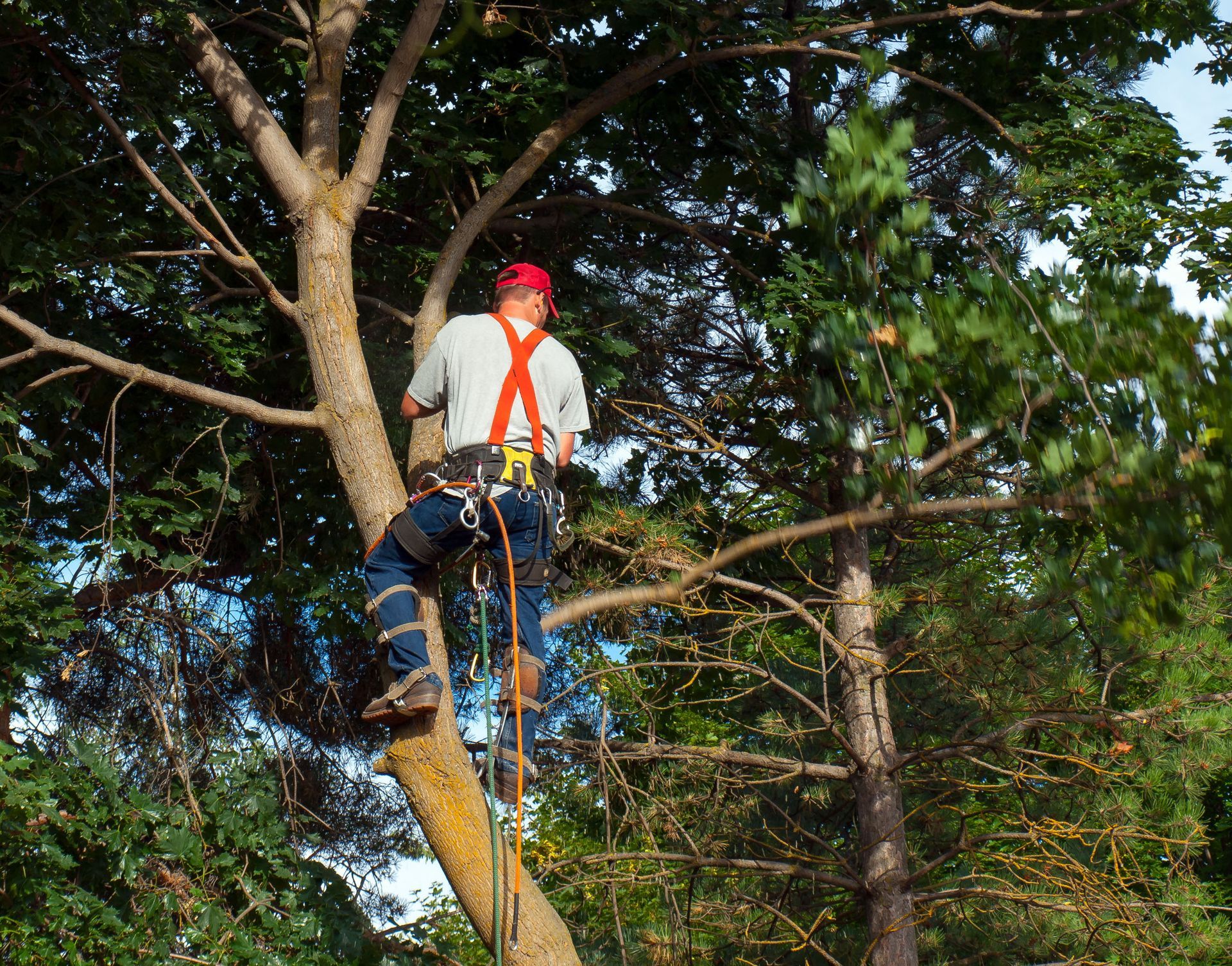
Evaluating height, trunk diameter, and crown spread forms the baseline for every project timeline. Small species under thirty feet tall with slender trunks require minimal rigging and straightforward cutting procedures, allowing crews to complete tasks rapidly. Conversely, mature specimens reaching high into the sky demand elaborate climbing gear, intricate rope systems, and systematic branch lowering to avoid surrounding structures. Accurate dimensional assessments ensure that teams arrive with the right tools, preventing unexpected delays during execution.
As trees mature, their structural density and overall weight increase dramatically. A massive trunk cannot simply be felled in one piece within a residential neighborhood or commercial lot. Professional local tree removal services must measure the central trunk diameter and analyze branch density before establishing a definitive work schedule. Understanding these key measurements guarantees that safety protocols remain intact while keeping the removal process moving forward efficiently without unneeded downtime.
Evaluating root distribution and ground stability also plays a major role in establishing a precise timeline. Massive root systems often anchor huge specimens deep into the earth, requiring careful planning when soil conditions are soft or uneven. Additionally, analyzing the overall health of the specimen helps workers identify internal rot or structural hollows that could compromise stability. Factoring these physical traits into the initial checklist keeps teams safe while ensuring work progresses without friction.
Employ Crane Assistance for Massive Timber
Deploying heavy machinery becomes essential when managing extra-large specimens in tight suburban or urban environments. Utilizing crane-assisted tree removal allows crews to lift heavy canopy sections cleanly over rooftops, utility lines, and delicate landscaping elements. This specialized technique significantly reduces the manual labor required for dismantling top-heavy branches, turning potentially dangerous multi-day operations into highly controlled, predictable tasks.
Integrating crane machinery requires adequate setup space, precise weight calculations, and clear ground communication. Crews must clear access paths, secure heavy outriggers, and coordinate each lift using standard hand signals or radios. By lifting massive timber sections directly to a designated drop zone, workers eliminate the time-consuming process of lowering individual limbs via manual rope rigging. This strategic machinery deployment optimizes safety while dramatically shortening overall project duration.
Safety parameters expand when heavy machinery operates on residential or commercial property. Operators must inspect ground stability, overhead electrical hazards, and nearby structures before extending the boom arm. When executed properly, mechanical lifting protects adjacent property from falling debris and minimizes impact on lawns and gardens. Utilizing advanced lifting machinery remains the fastest and safest approach for removing oversized, hazardous trees.
Streamline Mid-Sized Projects Through Rigging
Managing mid-scale specimens requires a precise balance between speed and tactical control. Trees falling in the thirty-to-sixty-foot range feature substantial branch systems that cannot simply fall freely to the ground. Crews rely on specialized drop-zone rigging, lowering ropes, and friction devices to control every piece as it comes down. This systematic sectional disassembly maintains safety around homes while allowing teams to maintain a steady, efficient workflow throughout the workday.
Utilizing specialized drop-zone rigging allows arborists to navigate tight drop zones without damaging nearby structures or underlying turf. Climbers work from the top down, removing lateral limbs before tackling the central trunk sections. Relying on trusted local tree removal services ensures that experienced personnel handle complex friction devices on the ground. This deliberate rhythm keeps workers safe while ensuring mid-sized projects wrap up predictably within several hours.
Debris management for mid-scale projects requires efficient chipping and hauling systems. As limbs are lowered, ground crews immediately feed branches into high-capacity chippers to keep the drop zone clear and safe. Log sections are systematically stacked or loaded onto trailers for rapid transport off the site. Maintaining an organized ground flow prevents bottlenecks and keeps the entire project running smoothly according to plan.
Execute Small Specimen Cutting Swiftly
Handling small-scale specimens under thirty feet in height offers maximum scheduling flexibility for property owners. These smaller jobs demand fewer workers, minimal heavy machinery, and straightforward cutting techniques. Ground crews can often fell, process, and clean up smaller specimens in just a few short hours, making them easy to fit into busy daily routines or routine property maintenance programs.
Basic manual tools, including standard chainsaws, pole saws, and hand shears, are typically all that is needed for small jobs. Climbers rarely need to ascend deep into the canopy, as most cuts can be managed comfortably from the ground or using small ladders. Hiring local tree removal services for small-scale projects guarantees that even quick cuts are handled with professional precision, eliminating potential hazards to nearby fences, walkways, or garden beds.
Implement Emergency Clearing for Hazardous Trees
Addressing sudden storm damage or structural failures requires fast action to prevent severe property loss. Emergency tree removal operations prioritize rapid stabilization, hazard isolation, and immediate risk reduction. Severe weather events often leave massive limbs hanging precariously or entire trunks leaning heavily onto homes, power lines, or vehicles, demanding immediate intervention by trained professionals.
Emergency responses require specialized gear and round-the-clock availability to handle unpredictable, high-risk scenarios. Crews must quickly assess structural stability, clear access paths, and deploy lifting or rigging equipment under challenging weather conditions. Utilizing experienced local tree removal services during urgent situations ensures that hazardous conditions are resolved quickly, safely, and without causing further damage to property.
Eliminate Stumps to Finalize Schedules
Removing the remaining wood above ground is only part of complete site restoration. Comprehensive stump removal eliminates underground root balls and surface protrusions, leaving a smooth, flat canvas for future landscaping projects. Leaving stumps behind creates tripping hazards, attracts wood-boring pests, and prevents smooth lawn mower operation across newly cleared areas.
Modern grinding machinery grinds deep below the soil surface, turning stubborn wood into nutrient-rich mulch. The size and depth of the root system dictate how long the grinding process will take, with massive stump systems requiring heavy-duty hydraulic machinery. Professional local tree removal services incorporate grinding into the broader project scope, ensuring that property owners enjoy a completely clear, functional yard once the crew leaves.
Managing property safety and landscape beauty requires expert care tailored to the exact scale of your trees. Whether you need urgent storm response, routine canopy pruning, or complete timber clearance across Catawba and Burke Counties, NC, choosing skilled professionals makes all the difference. For reliable 24/7 emergency tree service, expert crane operations, and complete grounds care, reach out to the dedicated team at Jensen Lawn & Landscaping and Tree Service today to schedule your comprehensive site evaluation.